
Hot Products

-
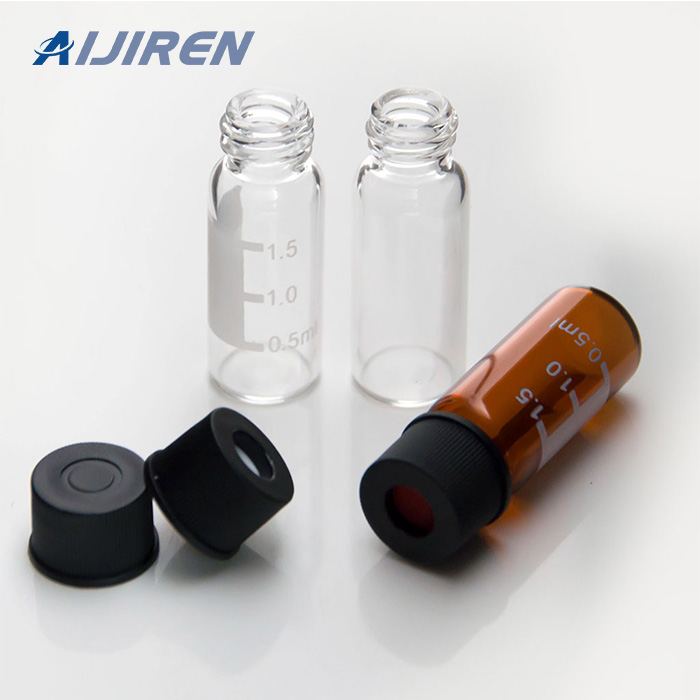
1.5 ML/2ML 8-425 Screw Neck Autosampler Vials ND8
Details Products name 1.5 ML/2ML 8-425 Screw Neck Autosampler Vials ND8 Dimension 8mm Cap Color White and Black Septa details White,Red,Blue,1.5mm thickness. Material PP for Cap, PTFE/Silicone for Septa Package 100pcs/Pack Cap type Close top, Open top Septa type Non-slit, Pre-slit Description 1.5 ml vials from Aijiren Technology, Inc with high quality and favorable price. Zhejiang Aijiren is a manufacturer of Laboratory consumables. We supply autosampler vials, septa and c...MORE -
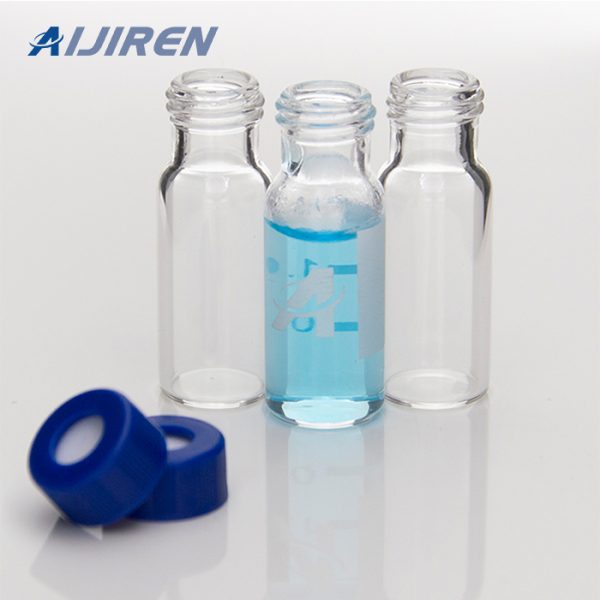
1.5ml 9mm Short Thread Autosampler Vials ND9
Details Products name 1.5mL 9mm Short Thread Autosampler Vial ND9 Dimension 9mm Cap Color Blue, Black, Red, Yellow Septa details White,Red,Blue,1mm thickness. Material PP for Cap, PTFE/Silicone for Septa Package 100pcs/Pack Cap type Close top, Open top Septa type Non-slit, Pre-slit Description 1.5 ml vials from Aijiren Technology, Inc with high quality and favorable price. Zhejiang Aijiren is a manufacturer of Laboratory consumables. We supply autosampler vials, septa and ...MORE -
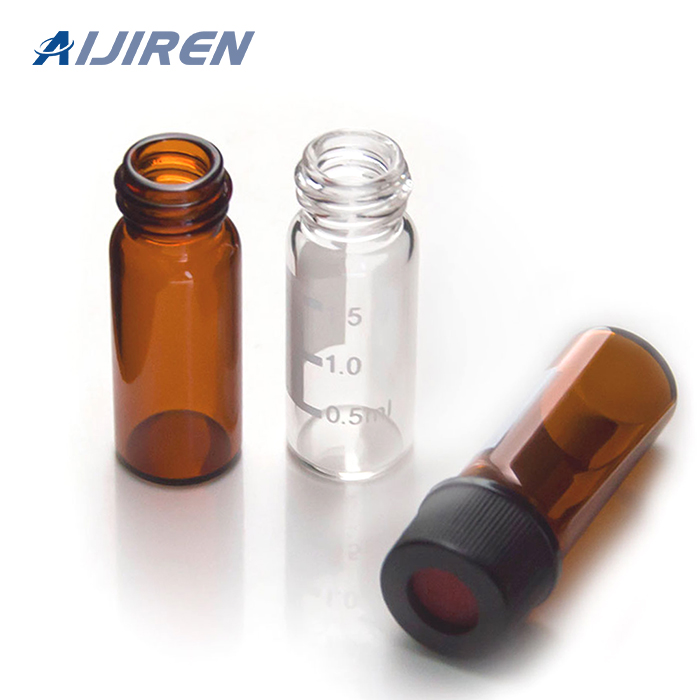
1.5ml 10-425 Screw Autosampler Vials ND10
Details Products name 1.5ml 10-425 Screw Autosampler Vials ND10 Dimension 10mm Cap Color Black Septa details White,Red,1.5mm thickness. Material PP for Cap, PTFE/Silicone for Septa Package 100pcs/Pack Cap type Open top Septa type Non-slit Description 1.5 ml vials from Aijiren Technology, Inc with high quality and favorable price. Zhejiang Aijiren is a manufacturer of Laboratory consumables. We supply autosampler vials, septa and caps at factory price. 1. 1.5ml 10-425 Scre...MORE -
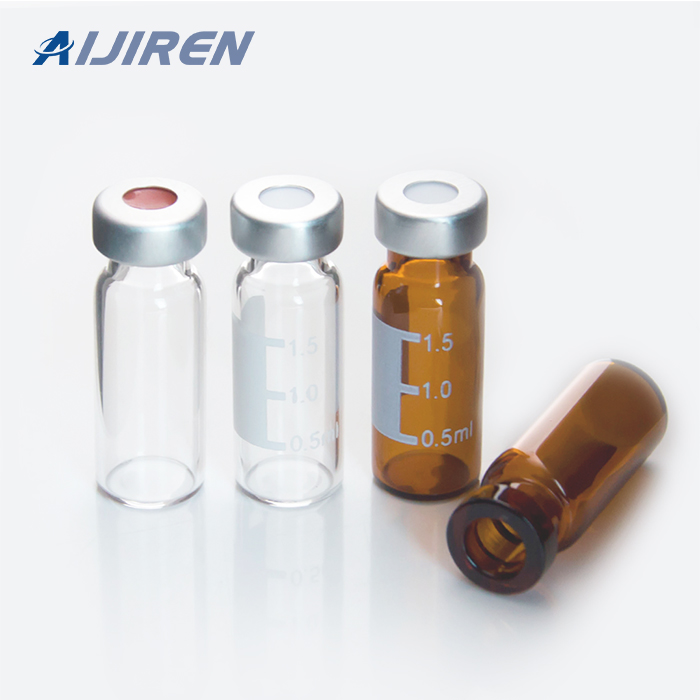
1.5mL 11mm Crimp Ring Autosampler Vial ND11
Details Products name 1.5mL 11mm Crimp Ring Autosampler Vial ND11 Dimension 11mm Cap Color Silver Septa details White, Red,1mm thickness. Material Aluminum for Cap, PTFE/Silicone for Septa Package 100pcs/Pack Cap type Open top Septa type Non-slit, Pre-slit Description 1.5 ml vials from Aijiren Technology, Inc with high quality and favorable price. Zhejiang Aijiren is a manufacturer of Laboratory consumables. We supply autosampler vials, septa and caps at factory price. 1. ...MORE -
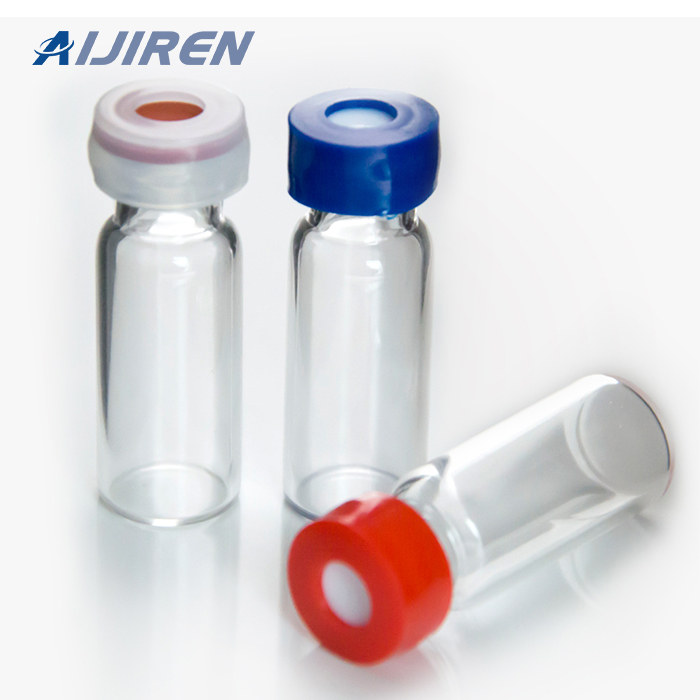
1.5mL 11mm Snap Ring Autosampler Vial ND11
Details Products name 1.5mL 11mm Snap Ring Autosampler Vial ND11 Dimension 11mm Cap Color Natural, Blue, Red Septa details White, Red, Blue,1mm thickness. Material PE for Cap, PTFE/Silicone for Septa Package 100pcs/Pack Cap type Open top Septa type Non-slit, Pre-slit Description 1.5 ml vials from Aijiren Technology, Inc with high quality and favorable price. Zhejiang Aijiren is a manufacturer of Laboratory consumables. We supply autosampler vials, septa and caps at factory...MORE -
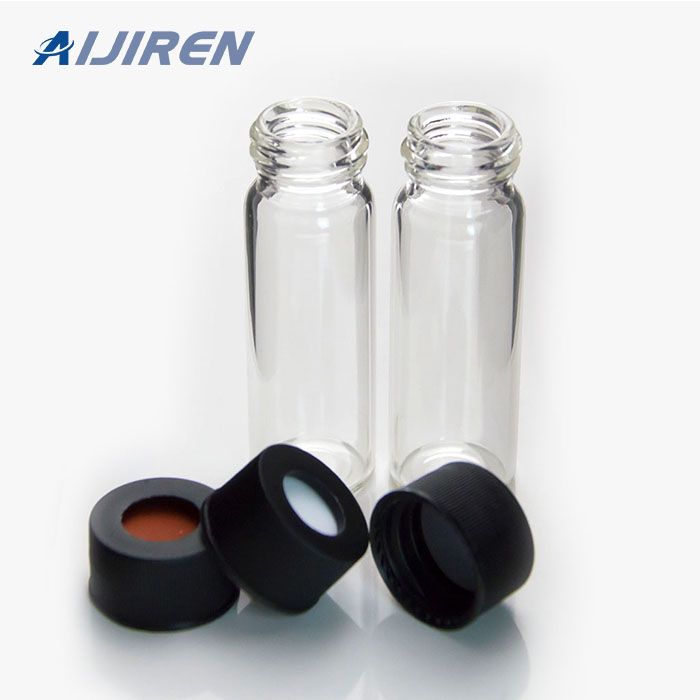
4mL 13-425 Screw Neck Autosampler Vial ND13
Details Products name 4mL 13-425 Screw Neck Autosampler Vial ND13 Dimension 13mm Cap Color Black Septa details White, Red, Nature 1.5mm thickness. Material PP for Cap, PTFE/Silicone for Septa Package 100pcs/Pack Cap type Close top, open top Septa type Non-slit Description 4 ml vials from Aijiren Technology, Inc with high quality and favorable price. Zhejiang Aijiren is a manufacturer of Laboratory consumables. We supply autosampler vials, septa and caps at factory price. 1...MORE -
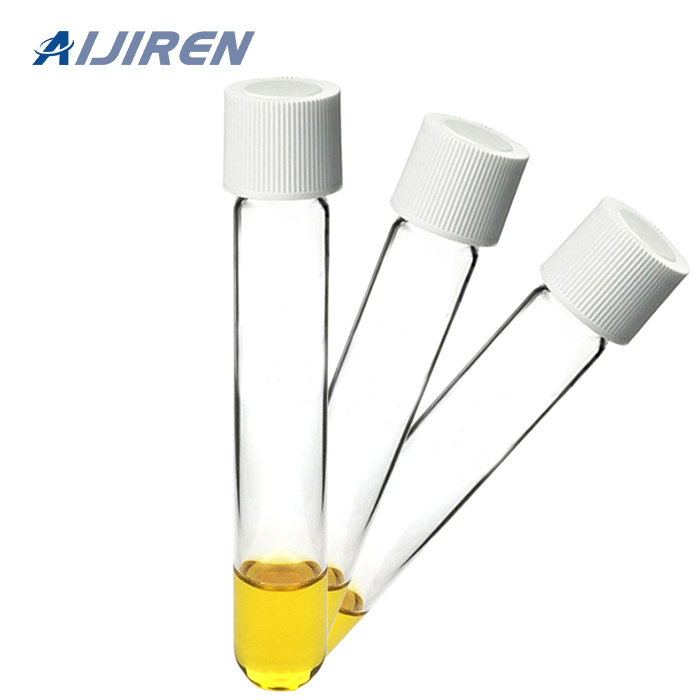
16mm Test Tubes for Water Analysis
Details Products name 16mm Test Tubes for Water Analysis Dimension 16mm Cap Color White Material PC for Cap, PTFE/Silicone for Septa Package 100pcs/Pack or 25pcs/Pack Cap type Close top Septa type Non-slit Description COD vials from Aijiren Technology, Inc with high quality and favorable price. Zhejiang Aijiren is a manufacturer of Laboratory consumables. We supply autosampler vials, Headspace vials and COD vials at factory price. 1. PTFE Septa for 16mm test tube Closures, W...MORE -
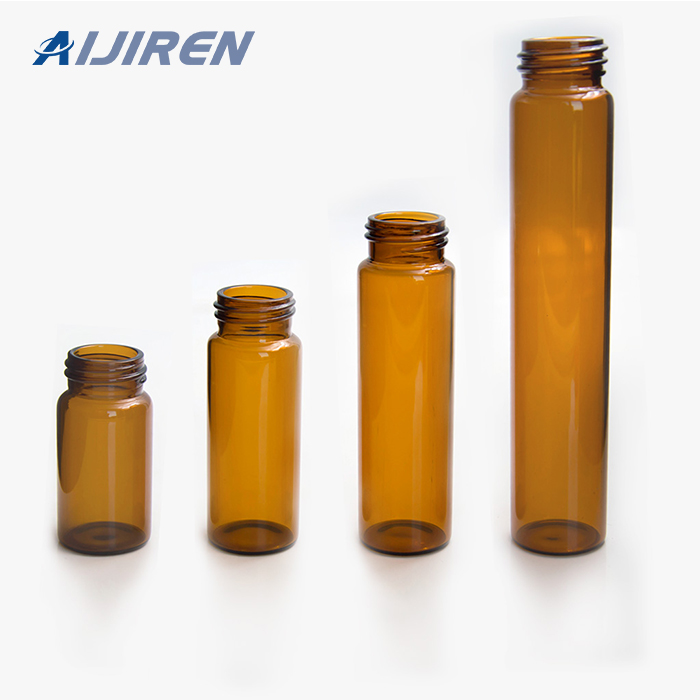
20-60mL 24-400 Screw Neck Storage Vial ND24
Details Products name 20-60mL 24-400 Screw Neck Storage Vial ND24 Dimension 24mm Cap Color Black, White Septa details Nature,3mm thickness. Material PP for Cap, PTFE/Silicone for Septa Package 100pcs/Pack Cap type Open top, Close top Septa type Non-slit Description Sample Storage vials from Aijiren Technology, Inc with high quality and favorable price. Zhejiang Aijiren is a manufacturer of Laboratory consumables. We supply Sample Storage vials, septa and caps at factory pr...MORE -
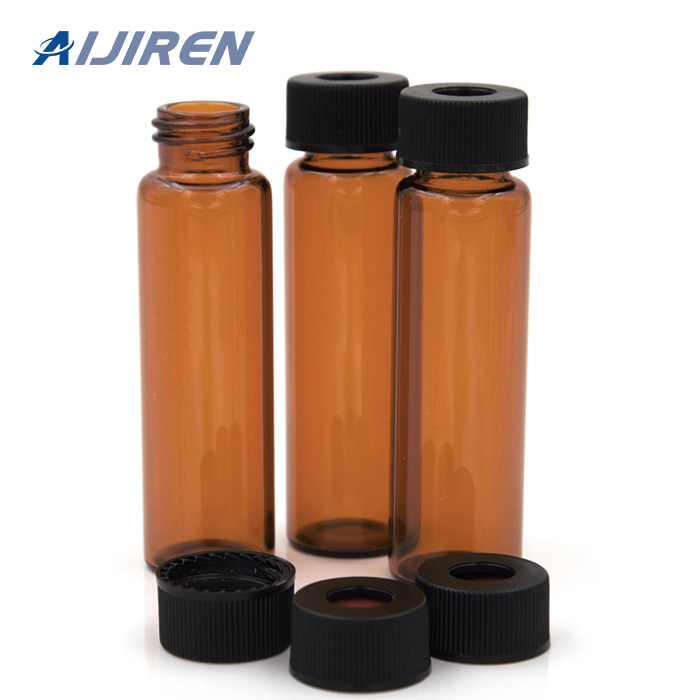
8-12mL 15-425 Screw Neck Vial ND15
Details Products name 8-12mL 15-425 Screw Neck Vial ND15 Dimension 15mm Cap Color Black Septa details White, Red, Nature,1.5mm thickness. Material PP for Cap, PTFE/Silicone for Septa Package 100pcs/Pack Cap type Open top,Close top Septa type Non-slit Description Sample Storage vials from Aijiren Technology, Inc with high quality and favorable price. Zhejiang Aijiren is a manufacturer of Laboratory consumables. We supply Sample Storage vials, septa and caps at factory price...MORE -
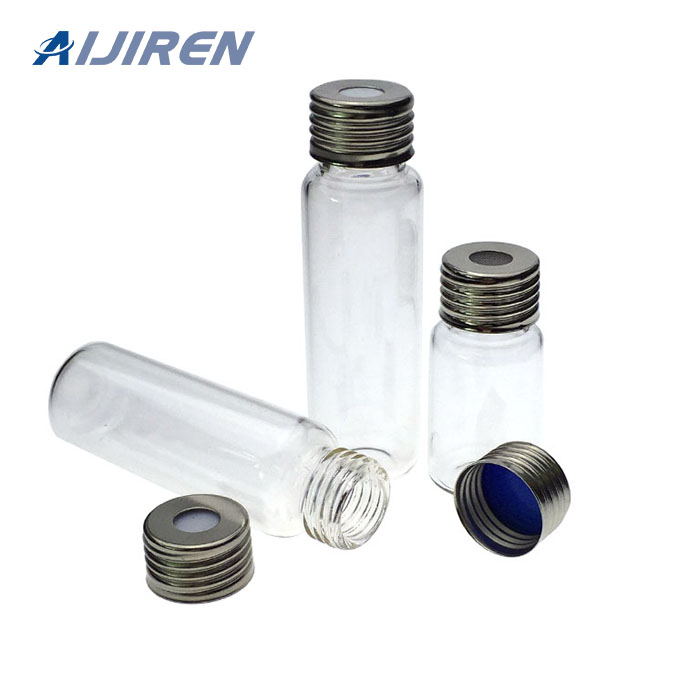
10-20mL 18mm Screw Thread Headspace ND18
Details Products name 10-20mL 18mm Screw Thread Headspace ND18 Dimension 18mm Cap Color Silver Septa details White, Red, Blue, 1.3-1.6mm thickness. Material Aluminum for Cap, PTFE/Silicone for Septa Package 100pcs/Pack Cap type Open top Septa type Non-slit Description Headspace vials from Aijiren Technology, Inc with high quality and favorable price. Zhejiang Aijiren is a manufacturer of Laboratory consumables. We supply autosampler vials, septa and caps at factory price. ...MORE -
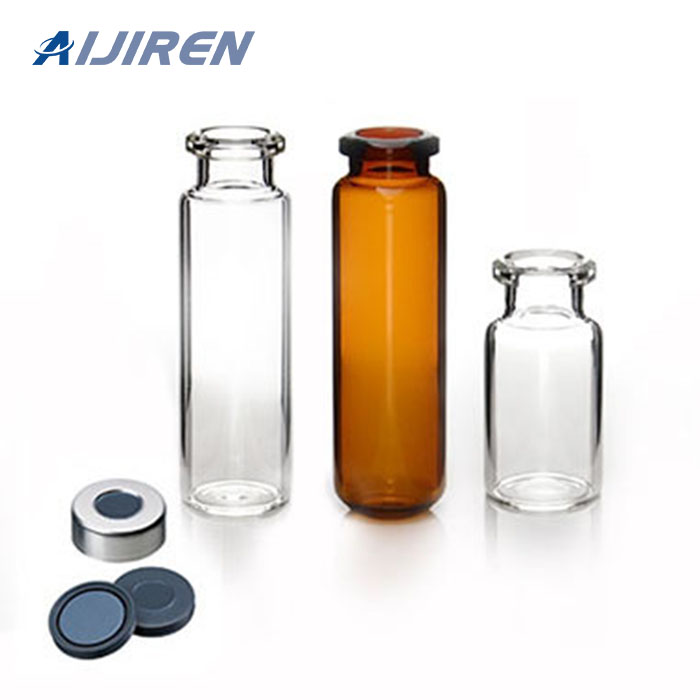
6-20mL 20mm Crimp-Top Headspace ND20
Details Products name 6-20mL 20mm Crimp-Top Headspace ND20 Dimension 20mm Cap Color Silver Septa details White, Nature, Grey,3mm thickness. Material Aluminum for Cap, PTFE/Silicone for Septa Package 100pcs/Pack Cap type Open top Septa type Non-slit Description Headspace vials form Aijiren Technology, Inc with high quality and favorable price. Zhejiang Aijiren is a autosampler vials manufacturer, we supply autosampler vials, septa and caps with factory price without extra ...MORE -
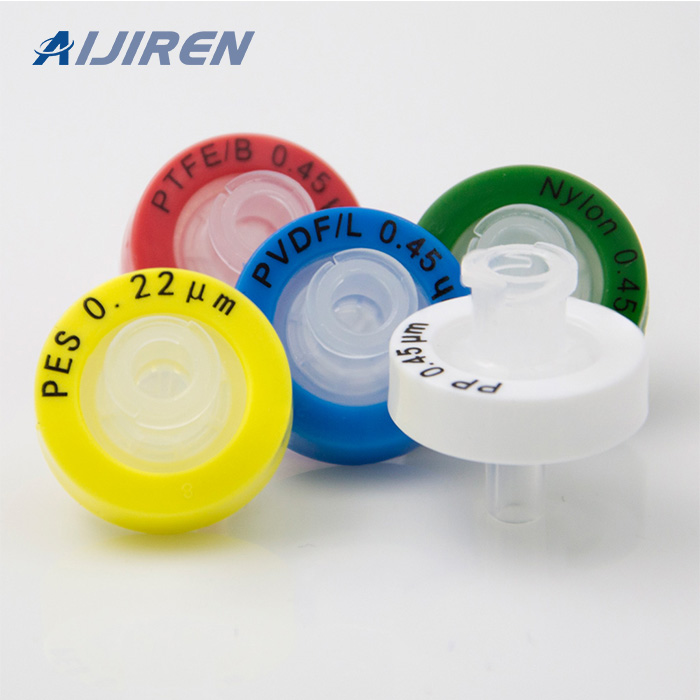
HPLC Syringe Filters
Details 1. Membrane: Nylon; Hydrophilic PVDF; Hydrophilic PTFE; Hydrophobic PTFE; PES; MCE; Hydrophilic PP; Cellulose Acetate(CA) 2. Pore Size: 0.22um and 0.45um Diameter: 13mm and 25mm 3. Usages: Whether your research requires pre-filtration Description Filter Membrane Nylon /PTFE /PES/MCE/ PVDF/ CA Pore Size, μm 0.22μm, 0.45μm Diameter 13mm 25mm Housing PP PP Filtration Area 1.0cm2 4.3cm2 Maximum Operating Pressure 6.2bar 6.2bar Process Volume...MORE -
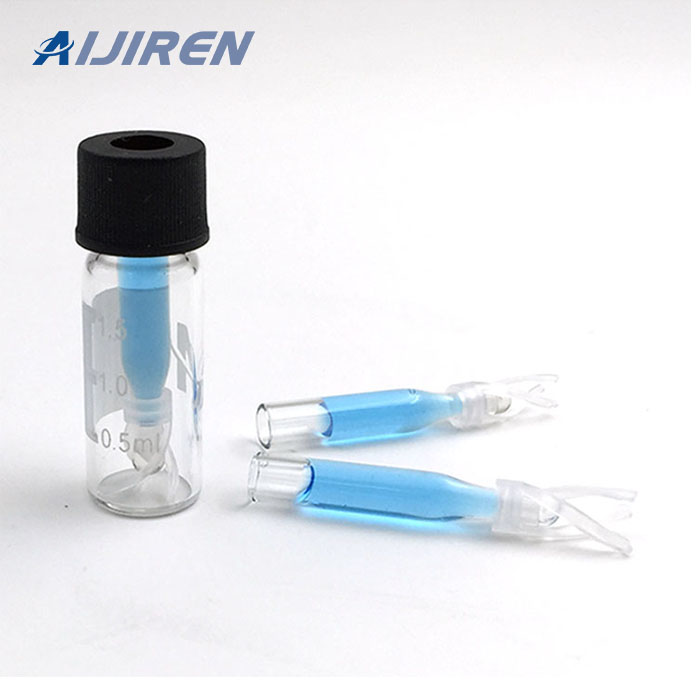
Micro-Inserts
Details Products name Micro-Inserts Insert type Conical Bottom, Flat Bottom, Mandrel Interior & Polymer Feet Material Glass for Insert, Polymer for feet Suitable 8-425, 9mm, 10-425, 11mm snap vials Dimension 29*5mm,31*5mm/29*5.7mm,31*5.7mm Capacity 150-250uL Package 100pcs/Pack Description Micro-Inserts from Aijiren Technology, Inc with high quality and favorable price. Zhejiang Aijiren is a manufacturer of Laboratory consumables. We supply autosampler vials, Inserts, Cr...MORE